Top Ranking Factors for Salt Lake City Businesses
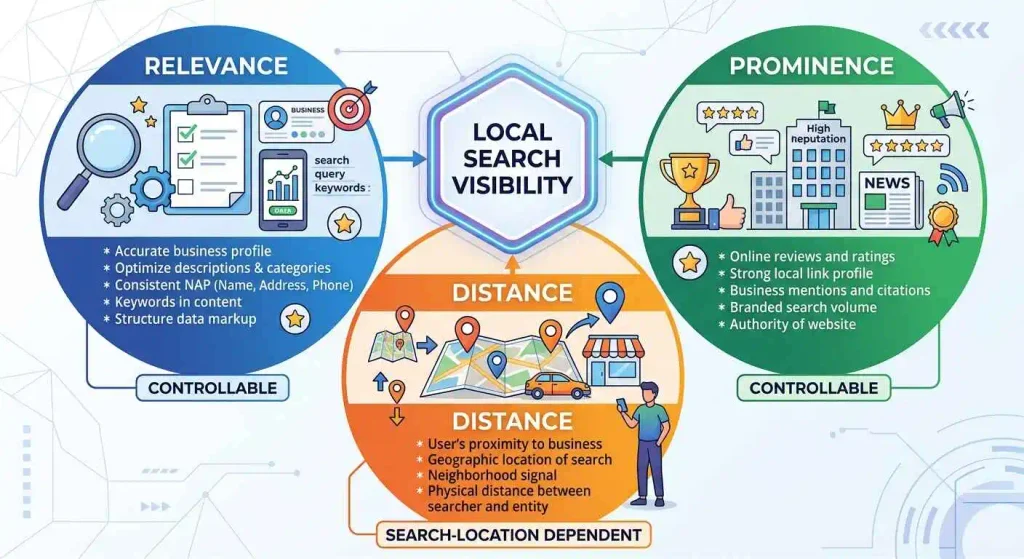
Winning local visibility in Salt Lake City means competing across both Google Maps/Local Pack results and traditional organic search. Google says local results are primarily based on relevance, distance and prominence.
Businesses can strengthen relevance and prominence, but they cannot control where each searcher is located or pay Google for a better organic local ranking.
For Salt Lake City businesses, that distinction matters. A search made Downtown may produce different results from one made in Sugar House, Rose Park, Millcreek or West Valley City.
The goal is therefore not to “rank everywhere” with artificial location signals. It is to build an accurate, authoritative presence for the locations and communities the business genuinely serves.
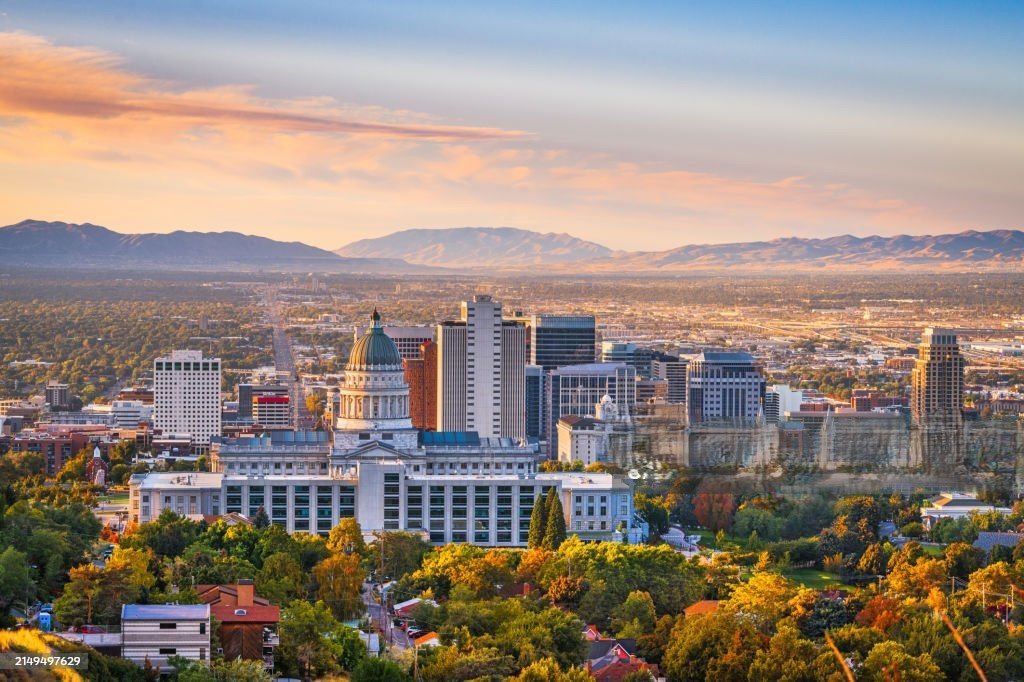
Table of Contents
What Google Actually Confirms About Local Rankings
Google’s public framework is intentionally broad. It does not publish a complete algorithm or a fixed weighting system.
| Confirmed factor | What it means | What a Salt Lake City business should do |
| Relevance | How closely a Business Profile matches the customer’s search. Complete and detailed information helps Google understand the business. [support.google.com], [support.google.com] | Align the primary category, additional categories, services, website landing page and visible content with what the business actually offers. |
| Distance | How far the business is from the searcher—or from the location Google associates with the search when an exact location is unavailable. [support.google.com], [support.google.com] | Use a real address or truthful service-area setup. Measure rankings from multiple Salt Lake Valley search points rather than relying on one citywide position. |
| Prominence | How well known the business appears to be. Google explicitly references links, reviews, review count and positive ratings as contributing information. | Build a strong reputation, earn relevant mentions and links, and make the brand verifiable across the local web. |
| Profile completeness and accuracy | Google says complete, accurate and current business information makes a profile more likely to appear for relevant local searches. | Keep the name, address or service area, phone, hours, categories, attributes and website accurate. Verify the profile and update holiday hours. |
What Industry Research Adds
The 2026 Whitespark Local Search Ranking Factors study surveyed 47 local-search practitioners who scored 187 potential factors.
Its respondents placed primary GBP category, proximity, real-world business name, city address, open hours, reviews, dedicated service pages, geographic content relevance, links and internal linking among their leading observations.
Whitespark is explicit that contributors do not have privileged access to Google’s algorithm, so these findings should be treated as expert observations—not confirmed algorithm weights or guaranteed causes.
1. Google Business Profile Accuracy and Category Alignment
A verified, complete Google Business Profile is the foundation of local visibility. Choose the most specific primary category that accurately describes the core business, then add only the few additional categories needed to represent meaningful secondary operations.
Google states that categories affect local rankings, but it also warns against selecting a category for every individual product or service.
Audit the following fields:
- Real-world business name—without added city or service keywords
- Primary and relevant additional categories
- Address, map pin or legitimate service area
- Primary phone number and website landing page
- Regular, holiday and special hours
- Services, products, menus or appointment links where supported
- Business attributes and accessibility information
- Current, representative photos and videos
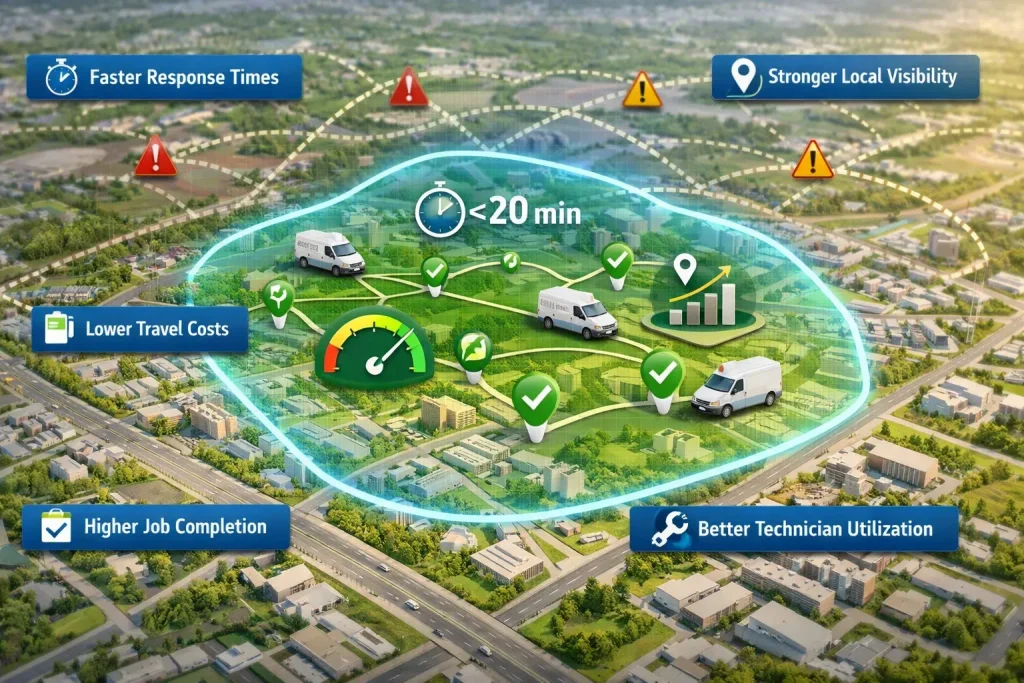
A storefront should display its real customer-facing address. A service-area business that does not receive customers at its address should remove that address and define the cities, postal codes or areas it genuinely serves.
Google permits up to 20 service areas and says the overall coverage should normally remain within roughly two hours’ driving time of the business base. Creating extra profiles, virtual offices or false locations to reach more of the Salt Lake Valley violates the principle of accurate representation.
2. Genuine Reviews and Reputation Management
Reviews affect more than appearance. Google states that reviews and positive ratings can support local prominence, while helpful responses can make a business stand out.
The compliant approach is to ask real customers for honest feedback using a direct Google link or QR code, respond professionally and value balanced feedback rather than chasing only five-star comments.
Do not buy reviews, offer discounts or gifts in exchange for feedback, request that customers change negative reviews, or screen customers so only satisfied people receive the Google review link.
Google defines reviews influenced by payment, discounts, free products, services or conflicts of interest as incentivized or biased content.
A practical review workflow is:
- Request feedback after a genuine completed transaction.
- Use the same neutral invitation for eligible customers.
- Make the review process easy, not manipulated.
- Respond with concise, specific and non-promotional replies.
- Escalate service issues privately without revealing customer information.
- Track review themes to identify operational improvements.
3. Useful Salt Lake City and Service-Area Content
Strong local pages should explain what the business provides, who it helps, where it operates and why a customer should trust it.
Google recommends original, substantial, people-first content created for an intended audience, not pages produced primarily to capture search traffic. It also advises using clear sections and headings while writing naturally for readers rather than forcing every keyword variation into the copy.
For a genuine Salt Lake City service page, include useful evidence such as:
- Services available from that specific location
- Real operating address or accurately defined service area
- Location-specific team, facilities, photos or project examples
- Parking, access, appointment or delivery information where relevant
- Local customer questions and service limitations
- Testimonials or case studies with permission
- Clear calls, forms, booking links and response expectations
Salt Lake City’s official business map identifies areas such as Downtown, Sugar House, the Avenues and Rose Park, while the wider Valley includes separate communities such as Millcreek and West Valley City.
Treat these as distinct places rather than interchangeable keywords. Create a dedicated page only where the business has a genuine operational relationship and enough unique information to help customers in that area.
4. On-Page Relevance and Internal Linking for Salt Lake City Businesses
Each priority service should have a page substantial enough to answer the customer’s decision-making questions. Use the service and location naturally in the title, H1, introduction, supporting headings, image context and conversion copy—but only where the wording remains useful and readable.
Google’s systems can understand synonyms and related meanings, so there is no need to repeat every “Salt Lake City SEO,” “SEO Salt Lake City” or “near me” variation.
Connect the article to relevant commercial and supporting pages through descriptive internal links. Google primarily discovers pages through links and recommends ensuring that every important URL can be reached from another discoverable page. For this article, logical internal destinations could include:
- Salt Lake City SEO services
- Local SEO audits
- Technical SEO services
- Review and reputation strategy
- Contact or consultation page
Internal links should help the reader continue a useful journey—not serve as repetitive exact-match anchors inserted solely for rankings.
5. Local Authority, Links and Citation Consistency
Google explicitly connects prominence with information such as links and reviews. Earn links and unlinked brand mentions through real business activity: local partnerships, supplier or manufacturer directories, professional associations, community initiatives, events, useful research, expert commentary and locally relevant digital PR.
Avoid bulk directory links, paid ranking links and unrelated guest-post networks. [support.google.com]
Salt Lake City’s official business guide identifies a wider ecosystem that includes city and county economic-development resources, state business programs, EDCUtah, the Salt Lake Chamber and several community-focused chambers.
These are not automatic backlink sources; they illustrate the types of legitimate local organizations with which a business may already have a real relationship worth documenting online. [slc.gov], [business.utah.gov]
Google does not publicly identify “NAP consistency across every directory” as one of its three primary local factors. Nevertheless, keeping the business name, address, phone, website and hours correct across important customer-facing platforms reduces confusion and supports a coherent business identity. Industry research treats citations as a supporting factor rather than a substitute for categories, proximity, reviews, content or quality links.
6. Structured Data, Mobile Experience and Technical Health
Use the most specific applicable LocalBusiness subtype on genuine location pages and keep its name, address, phone, URL, coordinates and opening hours consistent with the visible page.
Validate the markup with Google’s Rich Results Test. Structured data can help Google interpret business details and support rich-result eligibility, but it does not guarantee enhanced display or higher rankings.
The website should also be secure, crawlable, indexable, mobile-friendly and easy to use. Google says there is no single page-experience signal; Core Web Vitals are used within its ranking systems, but perfect scores do not guarantee a top position.
Prioritize a fast primary image, stable layouts, responsive interaction, readable content, HTTPS and non-intrusive calls to action because they improve the customer experience as well as search readiness.
7. People-First Content in the AI Search Era
Google’s current guidance says that visibility in AI Overviews and AI Mode still depends on foundational SEO and its core Search ranking and quality systems. Top Ranking Factors for Salt Lake City Businesses includes the classic SEO practices.
It recommends unique, expert-led, “non-commodity” information, clear technical structure, high-quality images and accurate local-business details.
It specifically says that Google Search does not require special llms.txt files, AI-specific rewriting, tiny content “chunks” or special AI schema.
That makes the best AI-era strategy surprisingly practical: publish original Salt Lake City experience, answer real customer questions, document processes and outcomes, maintain accurate business entities, and make important information easy to crawl.
Generating large numbers of near-duplicate city pages, doorway pages or lightly rewritten AI content can conflict with Google’s scaled-content and doorway-abuse policies.
8. Measure Business Outcomes, Not Vanity Rankings
Google Business Profile performance reporting can show search terms, profile views, calls, website clicks, direction requests, messages and supported bookings. Search Console reports clicks, impressions, click-through rate and average position, with filters for query, page, device, country and date.
Combine those indicators with commercial outcomes:
- Qualified phone calls
- Form submissions and appointment requests
- Booked jobs or store visits where measurable
- Lead quality by service and location
- Organic landing-page conversions
- Review growth and response coverage
- Local visibility measured from multiple Valley search points
- Revenue or pipeline associated with organic leads
A credible local SEO report should show the baseline, work completed, movement in visibility, conversions generated and the next priority as it is one of Top Ranking Factors for Salt Lake City Businesses. It should not reduce success to one screenshot of a single keyword ranking.
Frequently Asked Questions
What are the most important local ranking factors in Salt Lake City?
Google confirms relevance, distance and prominence as its primary local framework.
In practice, businesses should prioritize an accurate Google Business Profile, correct categories and services, genuine reviews, useful local content, relevant links, trustworthy business information and a technically accessible website.
Should a business create a page for every Salt Lake Valley city?
No. Create separate city or location pages only when each page serves a real audience and contains meaningful, unique information. Near-duplicate regional pages that simply swap city names can resemble doorway or scaled-content abuse.
Does LocalBusiness schema improve Google Maps rankings?
Google documents LocalBusiness structured data as a way to describe business details and become eligible for supported search features. It does not state that schema alone improves Local Pack positioning, and rich-result display is not guaranteed.
How long does local SEO take?
There is no responsible universal timeline. Google says some changes may be reflected within hours while others can take several months, and it recommends allowing time before assessing impact. Competition, proximity, current authority, website condition and prior work all affect progress.
Turn Salt Lake City Search Visibility Into Measurable Growth
Local SEO should connect every action to a business outcome: stronger discovery, more qualified calls, better appointment volume, clearer customer trust or improved lead quality.
A results-focused Salt Lake City SEO engagement can begin with a practical audit of your Google Business Profile, local rankings, service and location pages, reviews, citations, links, technical health and conversion tracking. From there, priorities should be ranked by likely business impact—not by the size of an automated error list.
Ready to identify the highest-impact opportunities? Request a Salt Lake City local SEO review and receive a clear roadmap for improving Google Maps visibility, organic search performance and qualified lead generation—without ranking guarantees or artificial location tactics.
Return to Home Page
Leave a Reply